Evaluation
Karabena Consulting designs and leads evaluations for state and Commonwealth departments, health services, Aboriginal Community Controlled Organisations and philanthropy, drawing on Indigenous evaluation frameworks that hold Aboriginal and Torres Strait Islander knowledge systems at the centre of what is counted as evidence.
Our evaluations are built with the people they concern, and we establish the evaluation questions, the cultural governance and the way findings will be used with communities and with the services being evaluated before any fieldwork begins, so that the people who hold the knowledge shape what is asked of them and see the findings first.
We work across program, policy and system level evaluation, from a single program in one community through to statewide action plans and national guidelines, and we write in language that communities, boards and departments can each act upon.
The work below shows where we have done it.
Community consultations for the evaluation of Balit Murrup, Victoria’s Aboriginal social and emotional wellbeing framework, yarning with communities and the wellbeing workforce about what the next stage should hold.
Current project
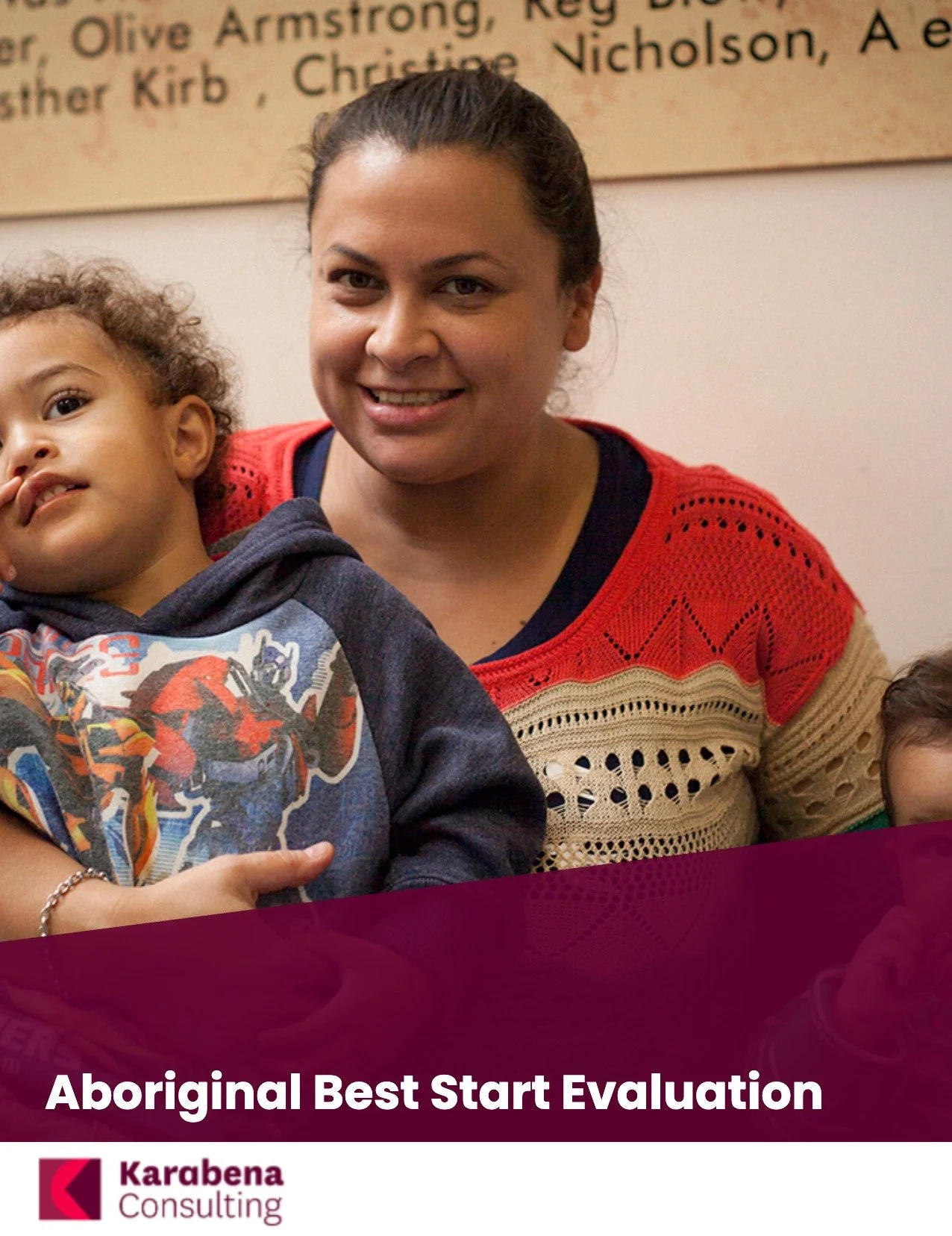
A First Peoples-led evaluation of Aboriginal Best Start across six Victorian sites, delivered with Karen Milward Consulting Services and built on the knowledge of the people who lead and deliver the program.
Current project
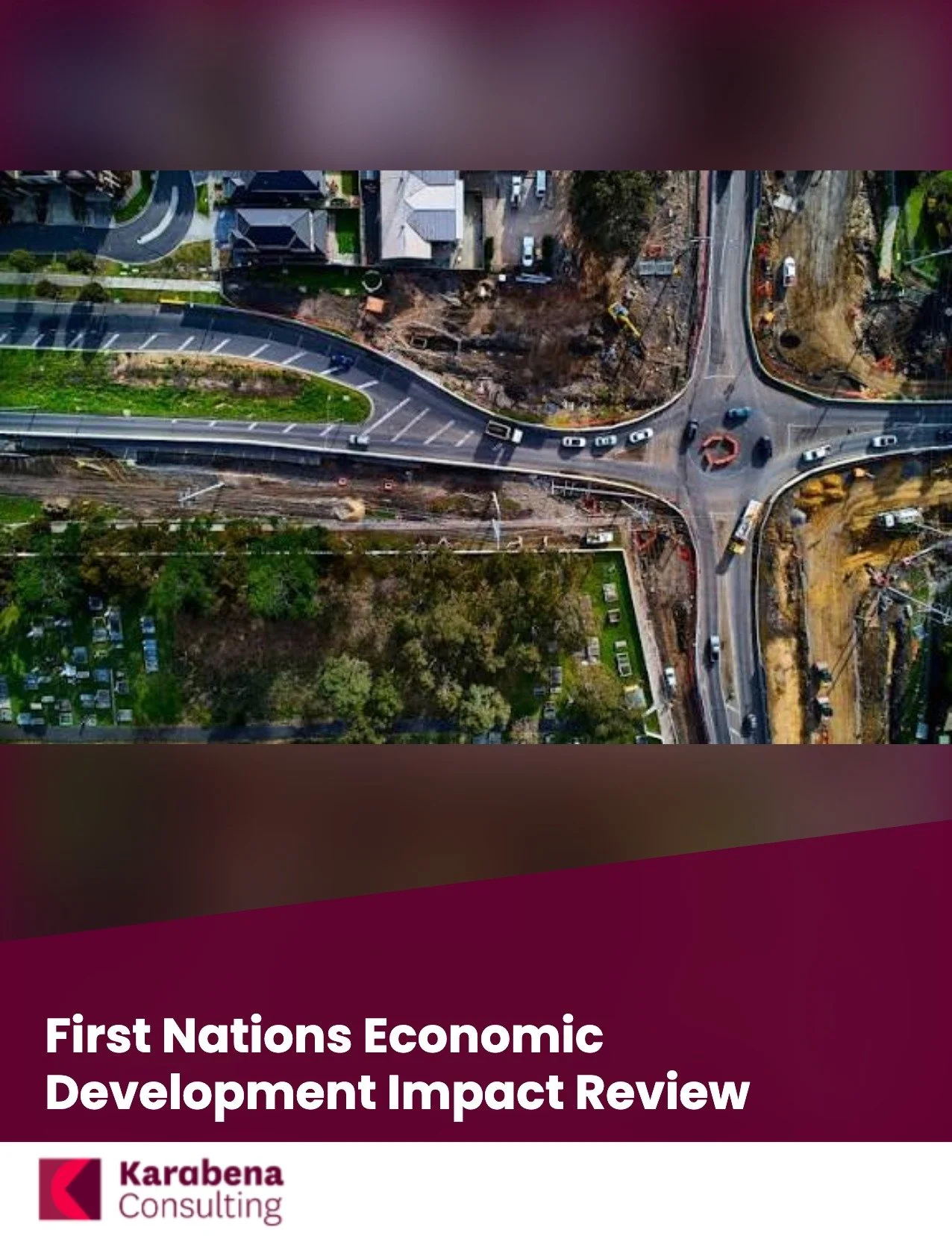
A review with Social Ventures Australia and Sedo Group of the economic development outcomes for First Nations people from the Victorian Infrastructure Delivery Authority’s work, centring Aboriginal business leaders and enterprise networks.
Current project
The Pupangarli Marnmarnepu: Owning Our Future – Aboriginal Self-Determination Reform Strategy 2020–2025 represents a bold step by DEECA toward embedding Aboriginal self-determination as a foundation for public administration. The Strategy builds on a history of strong partnership with Traditional Owners and seeks to transform the way DEECA works with, and for, First Peoples. Developed through engagement with Traditional Owners and Aboriginal Victorians, the Strategy responds to two key calls: for the government to remove barriers to self-determination, and to work in genuine partnership by transferring power and increasing accountability to Traditional Owners and Aboriginal communities.
May 2025 - December 2025
RACGP, Australia’s largest general practice organisation, and National Aboriginal Community Controlled Health Organisation(NACCHO), the peak body for 145 Aboriginal Community Controlled Health Organisations, work to support high-quality, culturally safe primary healthcare for Aboriginal and Torres Strait Islander peoples. Since 2014, they have partnered under a formal Memorandum of Understanding, guided by a co-designed Ways of Working Framework, to strengthen preventive care, clinical practice, and culturally safe service delivery.
September 2025 - December 2025
This project evaluated the Keeping Families Healthy Together model, an Aboriginal women-led model of care operating in the Barossa Hills Fleurieu Local Health Network (BHFLHN), with a focus on the Gawler region in South Australia. The model places Aboriginal matriarchal leadership, cultural governance, child centred practice and relational accountability at the centre of health and child protection service delivery.
January 2025 - August 2025
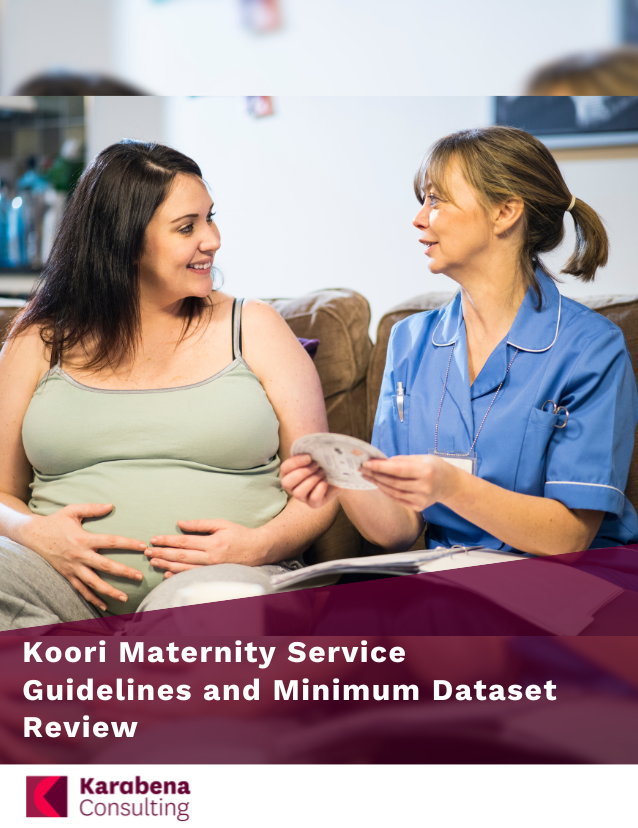
Koori Maternity Services are a vital part of Victoria’s maternity system, providing culturally safe, holistic, and community-based care for Aboriginal women, non-Aboriginal women having Aboriginal babies, and their families. Delivered across 14 sites (11 through Aboriginal Community Controlled Health Organisations (ACCHOs) and three through public hospitals), KMS offers care that goes beyond clinical support.
February 2025 - June 2025
Since 2018, Murray Primary Health Network (PHN) has been commissioning dual diagnosis services for First Nations peoples across six Aboriginal Community-Controlled Health Organisations (ACCHOs). These services support First Nations peoples experiencing both mental health and substance use challenges. Over the years, significant data has been shared with MPHN. Given anticipated changes to funding arrangements, a review is needed to help inform future commissioning arrangements.
December 2024 – May 2025
The Aboriginal Youth Cautioning Program (AYCP) was developed in collaboration with Aboriginal communities and in accordance with principles of Aboriginal self-determination outlined within the Victorian Aboriginal Justice Agreement Phase 4 (AJA4). The aim of the AYCP is to increase and enhance the use of police cautioning through a community-led model, based on principles of early intervention, harm reduction and community involvement, to reduce the over-representation of Aboriginal young people in the criminal justice system. Initially established as a pilot program, the AYCP has now expanded into an ongoing State-wide program, operating for over four years.
August 2024 – March 2025
Karabena Consulting (Karabena) was engaged by the Department of Health (DH) to conduct a lapsing program evaluation of the Strong Brother Strong Sister (SBSS) suicide prevention and social and emotional wellbeing (SEWB) program.
This evaluation sought to assess the program’s implementation, outcomes, and impact, and by analysing this data determine its overall effectiveness, efficiency, and cost effectiveness. Further, Karabena examined the potential risk, to both individuals and the community, if program funding is not renewed
August 2024 – December 2024
The Better Futures and Home Stretch Programs, an initiative of DFFH, aim to provide structure, guidance, and support to young people transitioning from care services to adulthood.
March 2024 – November 2024
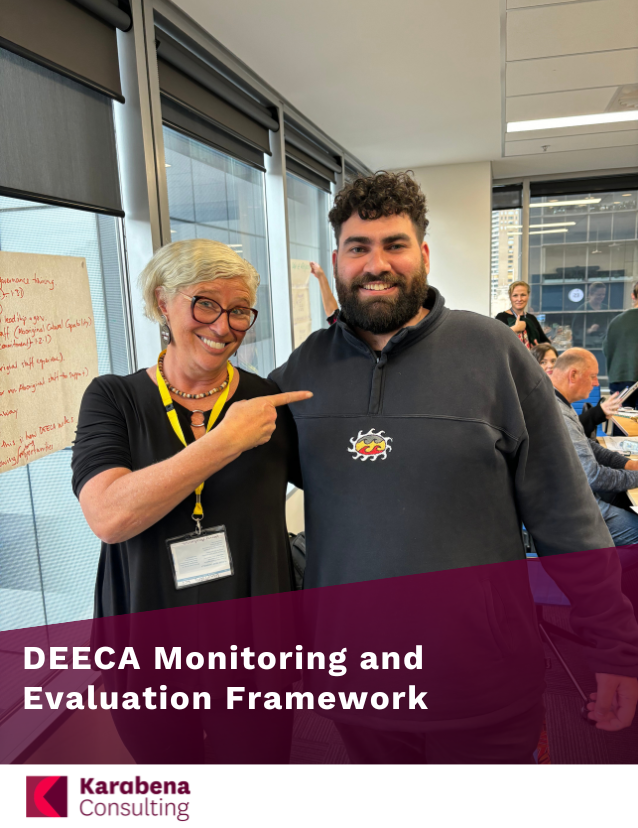
In collaboration with Karen Milward Consulting Services, Karabena Consulting worked on developing the Cultural Capability Framework Implementation Action Plan (Action Plan) and the Monitoring and Evaluation Framework for DEECA.
September 2024 – October 2024
Karabena Consulting (Karabena) was engaged by the Department of Health (DH) to conduct a lapsing program evaluation of the Strong Brother Strong Sister (SBSS) suicide prevention and social and emotional wellbeing (SEWB) program.
This evaluation sought to assess the program’s implementation, outcomes, and impact, and by analysing this data determine its overall effectiveness, efficiency, and cost effectiveness. Further, Karabena examined the potential risk, to both individuals and the community, if program funding is not renewed
March 2024 – October 2024
Karabena Consulting was engaged by AIDA to undertake an external evaluation of the STSP. This project served as the first independent evaluation of the STSP, a key milestone in examining the program’s efficacy and impact, and to explore areas to strengthen its strategic development.
Project Timeline: December 2023 – June 2024
Karabena Consulting and Karen Milward Consulting were engaged to undertake the evaluation of the first Dhelk Dja 3-Year Action Plan (2019–2022).
Project Timeline: June 2023 – April 2024
This project aimed to develop a coherent and consistent framework for measuring progress in achieving the Priority Reforms outlined in the National Agreement on Closing the Gap. Led by an Expert Governing Committee of Aboriginal and Torres Strait Islander experts, the project involved comprehensive consultations, data analysis, and the formulation of recommendations for indicators, measures and data sources.
Project Timeline: June 2023 – April 2024
The KWT Fund, recognising the need to centre Indigenous perspectives in its philanthropic efforts, sought to create a grant making impact assessment tool that respects and incorporates these principles.
Project Timeline: August 2022 – August 2023
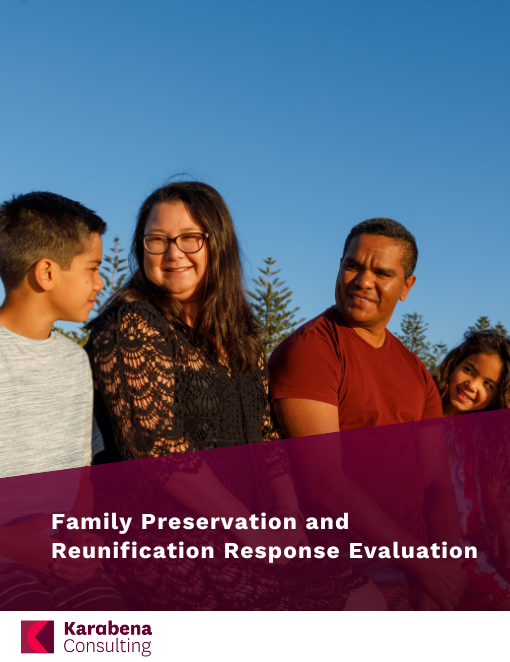
Karabena Consulting was engaged by the Centre for Evaluation and Research Evidence (CERE) to lead a culturally sensitive data collection initiative in the evaluation of the Family Preservation and Reunification Response (the Response) Phase 2 program.
Project Timeline: March 2023 – June 2023
This project aimed to support the First Nations Gambling Awareness Program (FNGAP) to meet the requirements of recommendations made in the PricewaterhouseCoopers (Indigenous) Evaluation Report (2022).
Project Timeline: November 2022 – May 2023
Karabena Consulting was engaged to undertake workshops on Indigenous Data Sovereignty in preparation for stakeholder consultations.
Project Timeline: December 2022 – April 2023
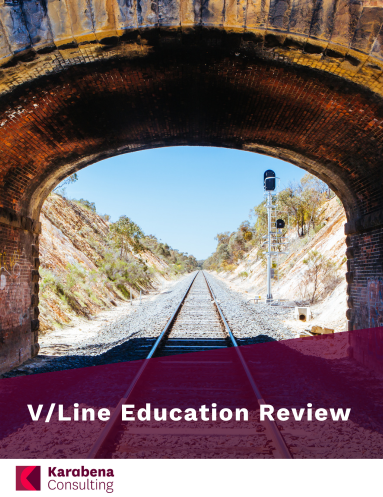
The Victorian Equal Opportunity and Human Rights Commission (‘the Commission’) was requested by V/Line Corporation to conduct a review of the compatibility of its training materials with human rights set out in the Charter of Human Rights and Responsibilities 2006 (VIC) (the Charter).
Project Timeline: January – March 2023
The National Indigenous Australians Agency (NIAA) undertook a review of the Indigenous Student Assistance Grants Guidelines 2017 (the Guidelines). Consultations for the review were facilitated by Karabena Consulting.
Project Timeline: The review commenced in August 2022 with consultations occurring from August to September 2022 and drafting of amendments from October to November 2022.
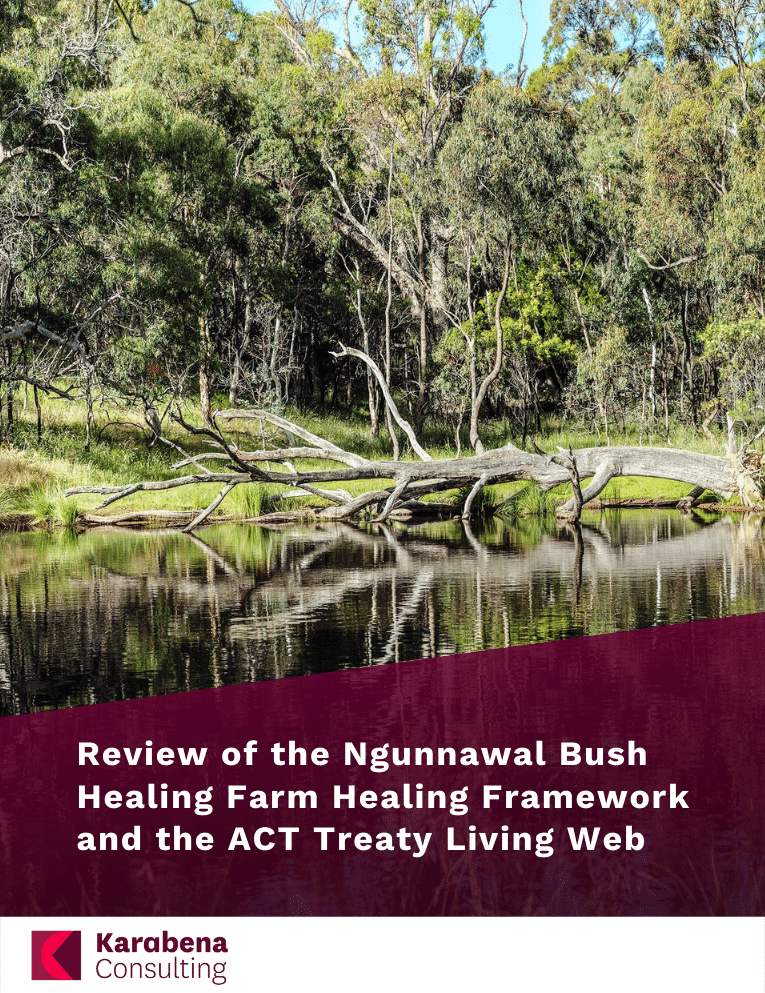
Karabena Consulting was engaged to test the synergies between the United Ngunnawal Elders Council (UNEC) work on the ACT Treaty, the ACT Treaty Living Web, and the Healing Framework to be implemented at the Ngunnawal Bush Healing Farm (NBHF).
Project Timeline: June 2022
Karabena Consulting partnered with a SVHM research team to conduct a review of historical complaints made by Aboriginal and/or Torres Strait Islander patients.
Fifty patient complaints made between 2012 and 2021 were analysed using a co-developed internal assessment tool. We delivered a report documenting the thematic analysis of the complaints and systemic issues identified, and recommendations for the improvement of Aboriginal and Torres Strait Islander patient care.
Project Timeline: March 2022 – May 2022
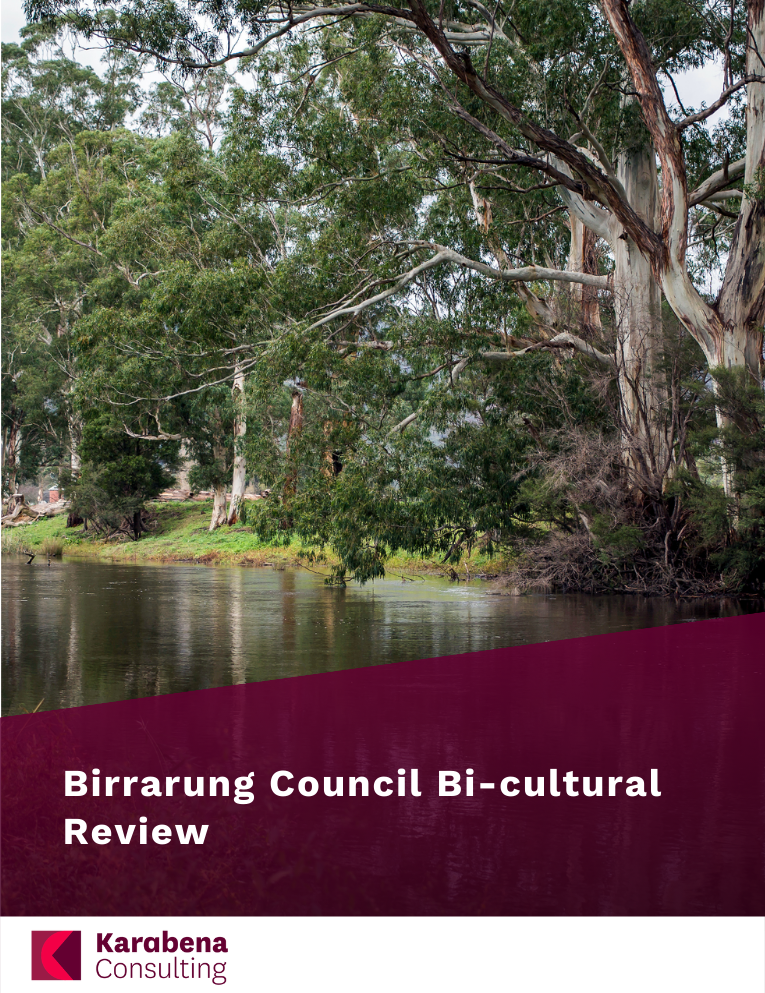
Karabena Consulting was engaged to facilitate consultations with members of the Birrarung Council to inform the development of a bi-cultural governance model.
Project Timeline: December 2021 – March 2022
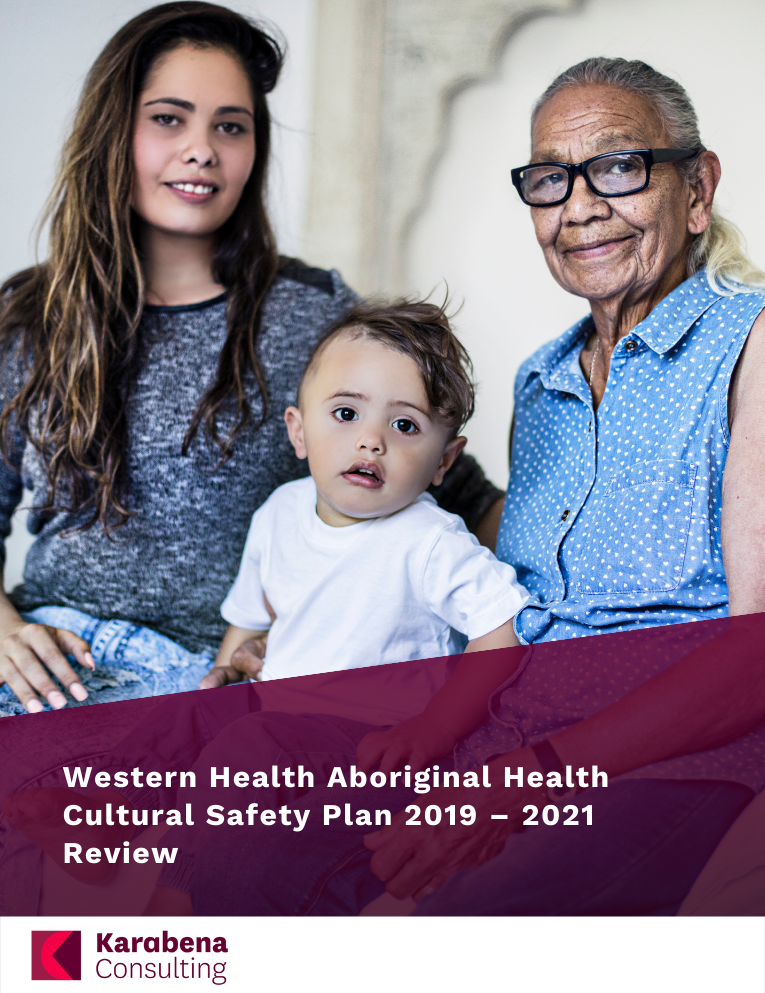
Karabena Consulting was engaged by Western Health to review the impact of Western Health’s Aboriginal Health Cultural Safety Plan 2019 -2021, the Western Health Aboriginal Employment Plan 2019 – 2021, and relevant policies to provide recommendations for the development of the Western Health Aboriginal Health Cultural Safety Plan 2022 – 2025.
Project Timeline: August 2021 – January 2022
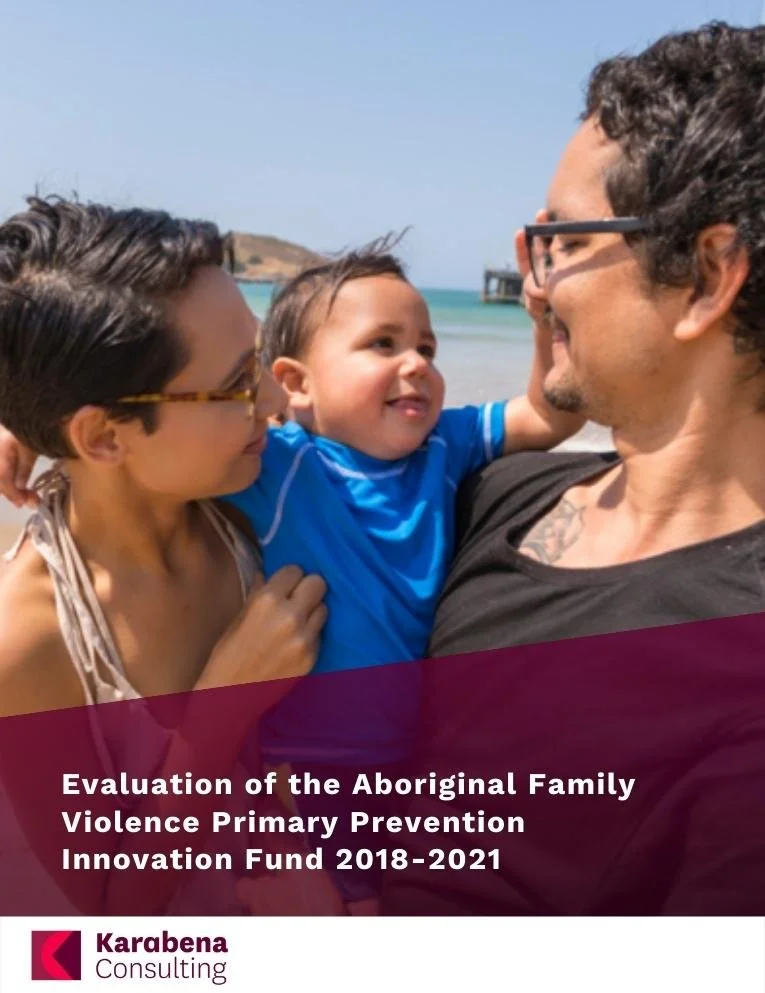
The Aboriginal Family Violence Primary Prevention Innovation Fund (Aboriginal Innovation Fund) was established by the Victorian Government to support Aboriginal Community Controlled Organisations (ACCOs) to design, trial and evaluate the effectiveness of a range of innovative primary prevention interventions across Aboriginal communities in Victoria.
Project Timeline: May 2021 - September 2021
Integrated Team Care, PHN, primary health care, cultural safety, ACCHO, chronic disease, care coordination, commissioning, recommissioning, evaluation, complex chronic condition, multidisciplinary care, holistic care
Project Timeline: July 2020 - April 2021
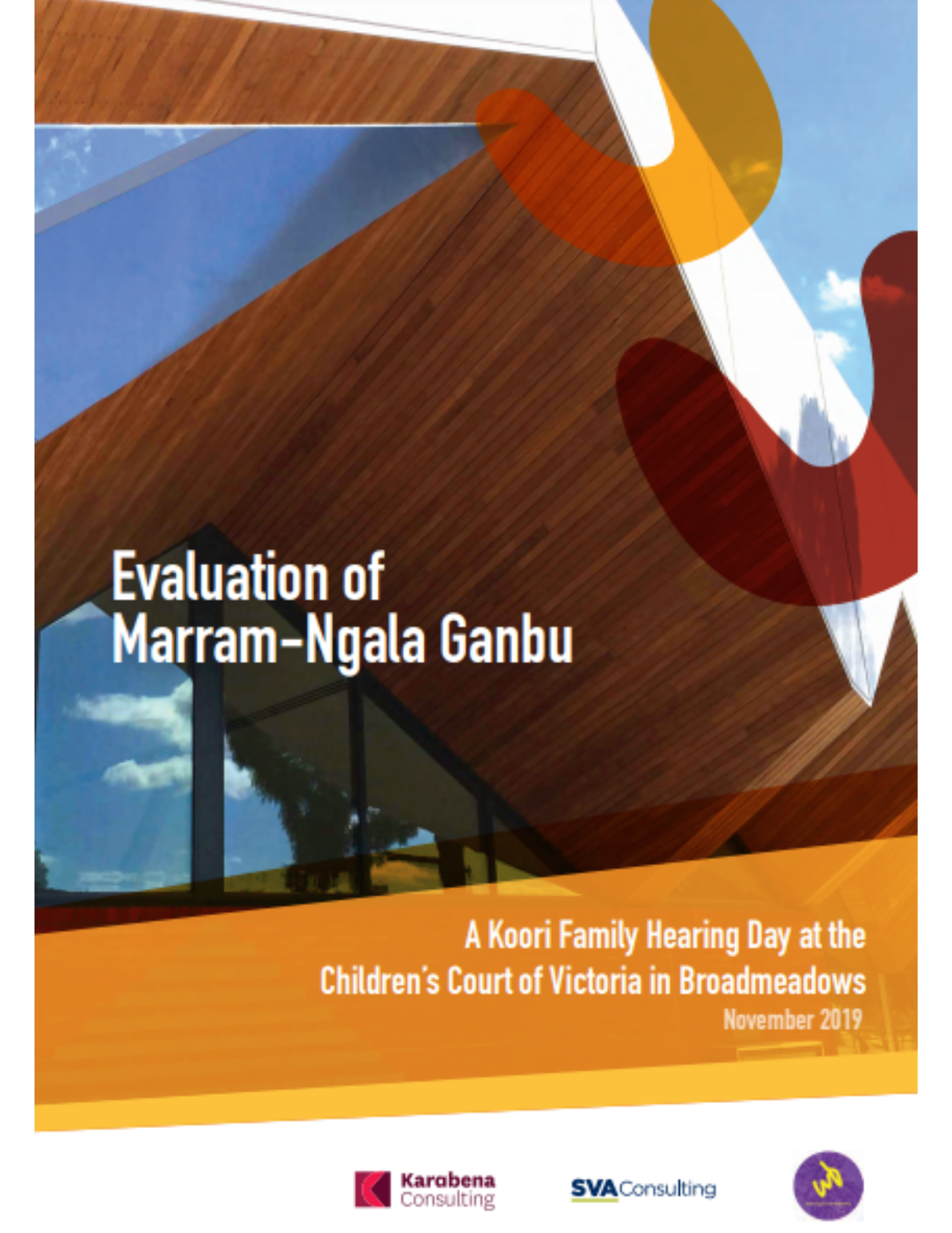
Marram-Ngala Ganbu is a program which was launched at the Broadmeadows Children’s Court in Melbourne to improve outcomes for Koori children and families involved in child protection proceedings. Karabena Consulting and Social Ventures Australia Consulting were commissioned to conduct an independent evaluation of the Marram-Ngala Ganbu program to assess the performance of the program against its stated aims and to build an evidence-base to support future expansion of the program.
Project Timeline: March 2019 – November 2019